✦ BIZIA BERRIA · NEW LIFE · JOY EUSKAL HERRIA ✦
PART IV OF IV · IV. ATALA
ETXEA
Home — The Word the Basque Soul Has Always Known
Etxea — Euskal Arimak Beti Ezagutu Duen Hitza
There is a Basque word that does not translate well into any other language. Not because it is complicated. Because it is too full.
Badago euskal hitz bat beste edozein hizkuntzatara ondo itzultzen ez denik. Ez konplikatua delako. Bete-betea dagoelako baizik.
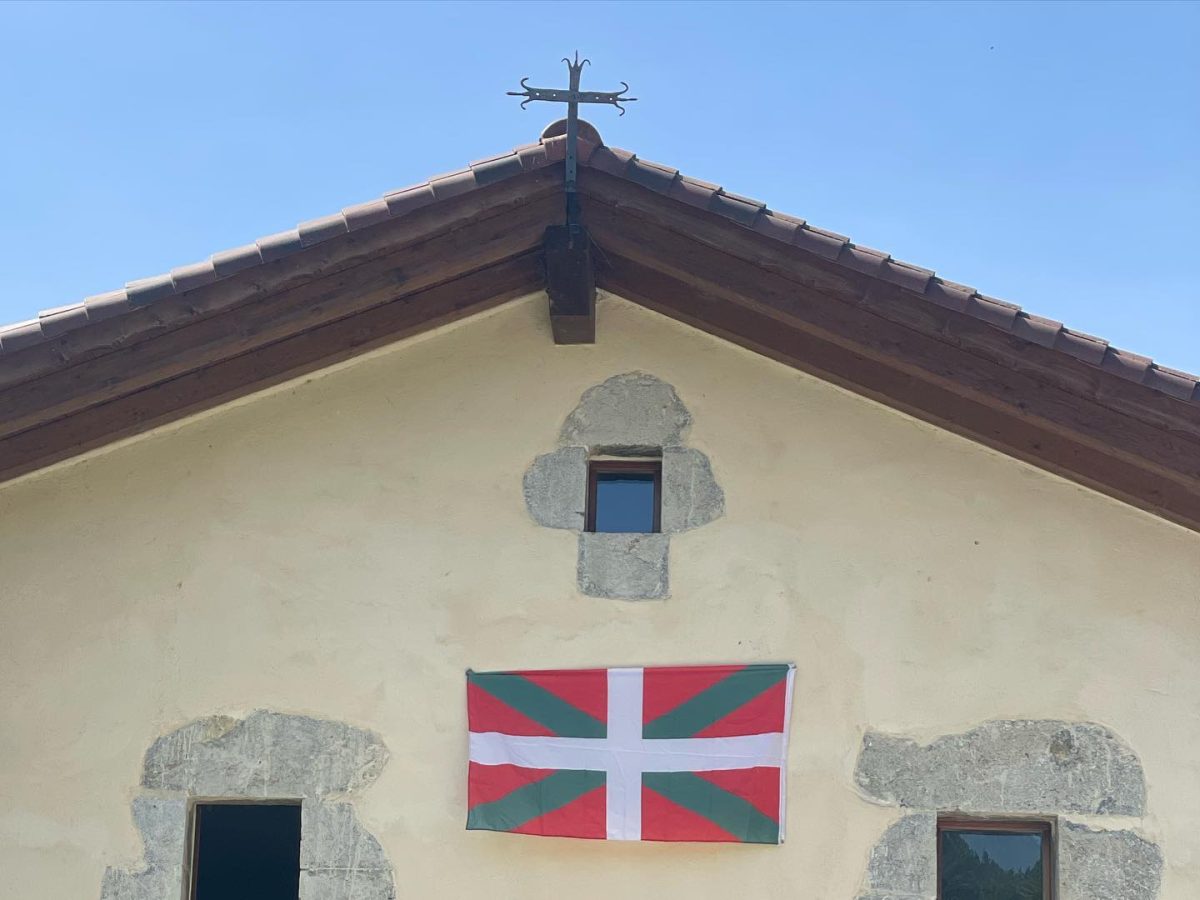
In Spanish you might say casa — a house. In French, maison. These are functional words. They name a building. But etxea names something else entirely. It names the place where your family has stood for generations, the land your grandmother knew, the fire that was never allowed to go out. In the old farmsteads — the baserri — families did not just live in the house. They carried its name. Etxeberria. Etxebarria. Etxezarreta. New house. House on the ridge. Old house. Your surname was your address, your history, your identity — all at once.
Gaztelaniaz casa esango zenuke — etxe bat. Frantsesez, maison. Hitz funtzionalak dira. Eraikin bat izendatzen dute. Baina etxeak beste zerbait izendatzen du erabat. Belaunaldiez belaunaldi zure familia egon den lekua izendatzen du, zure amonak ezagutu zuen lurra, sekula itzaltzen utzi ez den sua. Baserri zaharretan familiek ez zuten etxean bizi soil-soilik egiten. Haren izena zeramaten. Etxeberria. Etxebarria. Etxezarreta. Etxe berria. Mendixkako etxea. Etxe zaharra. Zure abizena zure helbidea zen, zure historia, zure nortasuna — aldi berean denak.
Ask a young Basque person today where they feel most at home and they will probably not say a church. That much is not surprising — the statistics on institutional Catholicism in Euskal Herria speak for themselves, and they have been speaking clearly for twenty years. The pews have emptied. The confessionals have gone quiet. An entire generation grew up watching their grandparents kneel and decided, with varying degrees of grief or relief, that this was not for them.
Gaur egun euskal gazte bati non sentitzen den gehien etxean galdetu, eta ziurrenik ez du elizarik esango. Hori ez da harritzekoa — Euskal Herriko Eliza instituzionalaren estatistikek berek hitz egiten dute, eta hogei urtez argi hitz egiten aritu dira. Aulkiak hustu egin dira. Konfesionarioak isilik geratu dira. Belaunaldi oso bat amona-aitonak belaunikatzen ikusi zen eta erabaki zuen, dolu edo lasaitasun maila ezberdinekin, hori ez zela bererako.
But here is what the statistics miss: walking away from the institution is not the same as walking away from the longing.
Baina estatistikek galdu egiten dutena hau da: instituzioa atzean uztea ez da irrikaren atzean uztea.
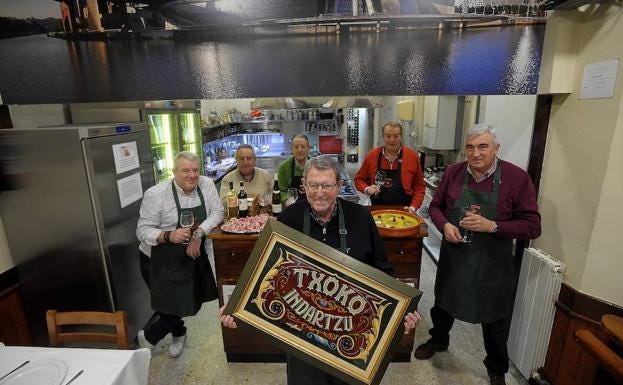
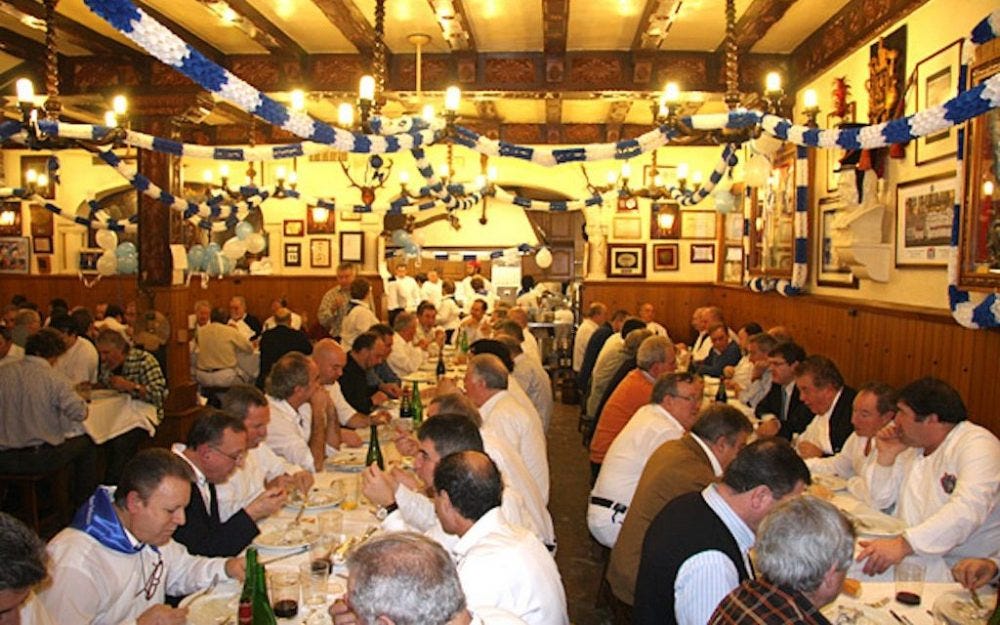
Watch what young Basques actually do. They fight fiercely for Euskara, not just as a communication tool but as a living thread connecting them to something older than themselves. They hike the mountains on weekends. They gather in txokos — those private gastronomic societies where the door is closed to the outside world and the food, the conversation, and the friendship are taken with absolute seriousness. They compete in bertsolaritza contests, improvising poetry in a form their ancestors invented, and they pack the auditoriums to watch. They are not a generation without spiritual hunger. They are a generation that has not yet found a table that matches the size of their appetite.
Begiratu zer egiten duten euskal gazteek benetan. Gogotsu borrokatzen dute Euskararen alde, komunikazio tresna hutsa baino askoz gehiago bezala, norbera baino zaharragoa den zerbaitekin lotzen dituen hari bizidun gisa. Asteburuetan mendian ibiltzen dira. Txokoetan biltzen dira — mundu kanpotik atea itxita duten elkarte gastronomiko pribatuetan, non janaria, elkarrizketa eta adiskidetasuna guztiz serio hartzen diren. Bertsolaritza lehiaketetan parte hartzen dute, arbasoen asmatutako formaren arabera bertso inprobisatuak eginik, eta entzuleak bete-beteta ikusten dira. Ez dira jatorrizko gose espiritualarik gabeko belaunaldi bat. Beren gosetearen tamainarekin bat datorren mahairik oraindik aurkitu ez duen belaunaldia dira.
Something has gone missing. They know it. They may not call it by any particular name, but they feel the shape of the absence the way you feel a door that used to be there in a wall that has since been plastered over. You keep almost reaching for it. Your hand knows where it should be.
Zerbait galdu da. Badakite. Agian ez diote izen berezirik ematen, baina absentziaren forma sentitzen dute iraganean horma batean zegoen eta geroztik zurituta dagoen ate bat sentitzen duzun bezala. Berriro-berriro ia hara iristen ari zara. Zure eskuak badaki non egon beharko lukeen.
To be clear about something: the grief is real, and the reason for it is real. Institutional Catholicism in the Basque Country was never a neutral presence. It was tangled with power, with the silence of the Franco years, with the particular cruelty of religious authority used as a tool of control. Young Basques did not simply drift away from the Church the way people in other places drifted — they often left carrying wounds. The name Eliza carries weight that goes beyond theology. It carries memory.
Zerbait argi esateko: dolua erreala da, eta haren arrazoia ere bai. Euskal Herriko Eliza instituzionala ez zen sekula presentzia neutral bat. Boterearekin korapilaturik zegoen, Frankismo urteen isilunearekin, kontrol tresna gisa erabilitako erlijio autoritatearen krudelkeria bereziarekin. Euskal gazteek ez zuten Elizatik aldendu beste lekuetako jendea aldendu zen moduan — maiz zauriekin joan ziren. Eliza izeneak teologiatik haratago doan pisua darama. Memoria darama.
And so when we talk about etxea — about home — we have to begin by acknowledging that for many people, the house that was offered was not safe. The institution claimed to be the home. For a great many people, it was something closer to a prison. Rules without warmth. Obligation without belonging. Confession without mercy.
Hori dela eta, etxeaz — etxeaz — hitz egiten dugunean, onartu behar dugu askori eskainitako etxea ez zela segurua. Instituzioak etxea zela aldarrikatu zuen. Askori, kartzelatik hurbilago zen zerbait. Berotegirik gabeko arauak. Pertenentziagabeko obligazioa. Miserikordiagabeko konfesioa.
We are not here to defend that. We are not here to paper over those walls and hope nobody notices the damage underneath.
Ez gaude hori defendatzeko hemen. Ez gaude horma horiek zurrustiluz estaltzeko eta inork azpiko kaltea ohartuko ez dela esperatzeko hemen.
There is a person at the center of all of this who tends to get buried under the architecture — the buildings, the hierarchies, the history, the arguments about doctrine and authority and who gets to decide what. His name, when you strip everything else away, is simply Jesus of Nazareth. And the most striking thing about him, when you actually read what he said and did, is how consistently he operated not through institutions but through tables.
Honen guztiaren erdian arkitekturaren azpian lurperatu ohi den pertsona bat dago — eraikinak, hierarkiak, historia, doktrina eta autoritateari eta nor zer erabakitzeko eskumena duenari buruzko eztabaidak. Bere izena, beste guztia kentzean, Jesus Nazaretekoa da, besterik ez. Eta berarengan harrigarriena, benetan zer esan eta egin zuen irakurtzen duzunean, da nola jarraitu zion instituzioaren bidez ez, mahaiaren bidez baizik.
He ate with the wrong people constantly. He ate with the religious outcasts and the political collaborators and the people everyone else had already written off. He sat down. He broke bread. He asked questions. He told stories. He did not build a headquarters. He built a community of people who walked together on a road.
Etengabe okerreko jendeekin jan zuen. Erlijio baztertuekin, kolaboratzaile politikoekin eta besteak ahaztu zituen jendeekin jan zuen. Eseri egin zen. Ogia hautsi zuen. Galderak egin zituen. Istorioak kontatu zituen. Ez zuen egoitzarik eraiki. Errepide batean elkarrekin ibiltzen zen pertsona komunitate bat eraiki zuen.
He said something once that sounds either deeply comforting or slightly strange depending on where you are in life. He said: in my Father’s house there are many rooms. He said: I am going to prepare a place for you.
Behin zerbait esan zuen bizitzan non zauden arabera sakon kontsolagarria edo zertxobait arraroa dirudiena. Esan zuen: nire Aitaren etxean gela asko daude. Esan zuen: leku bat prestatzera noa zuretzat.
A place. For you specifically. Not a general seat in a general hall. A room in a home that was built with you in mind.
Leku bat. Zuretzat zehazki. Ez eserleku orokor bat areto orokor batean. Gela bat zurekin buruan eraikitako etxe batean.
When we imagine what a community centered on Jesus might look like in Euskal Herria — not an import, not a foreign franchise, but something rooted here — we keep coming back to the txoko.
Jesusen inguruan zentratutako komunitate batek Euskal Herrian nolakoa izango litzatekeen irudikatzen dugunean — ez inportazioa, ez atzerriko frankizia, hemen sustraitutako zerbait baizik — txokora itzultzen gara behin eta berriz.
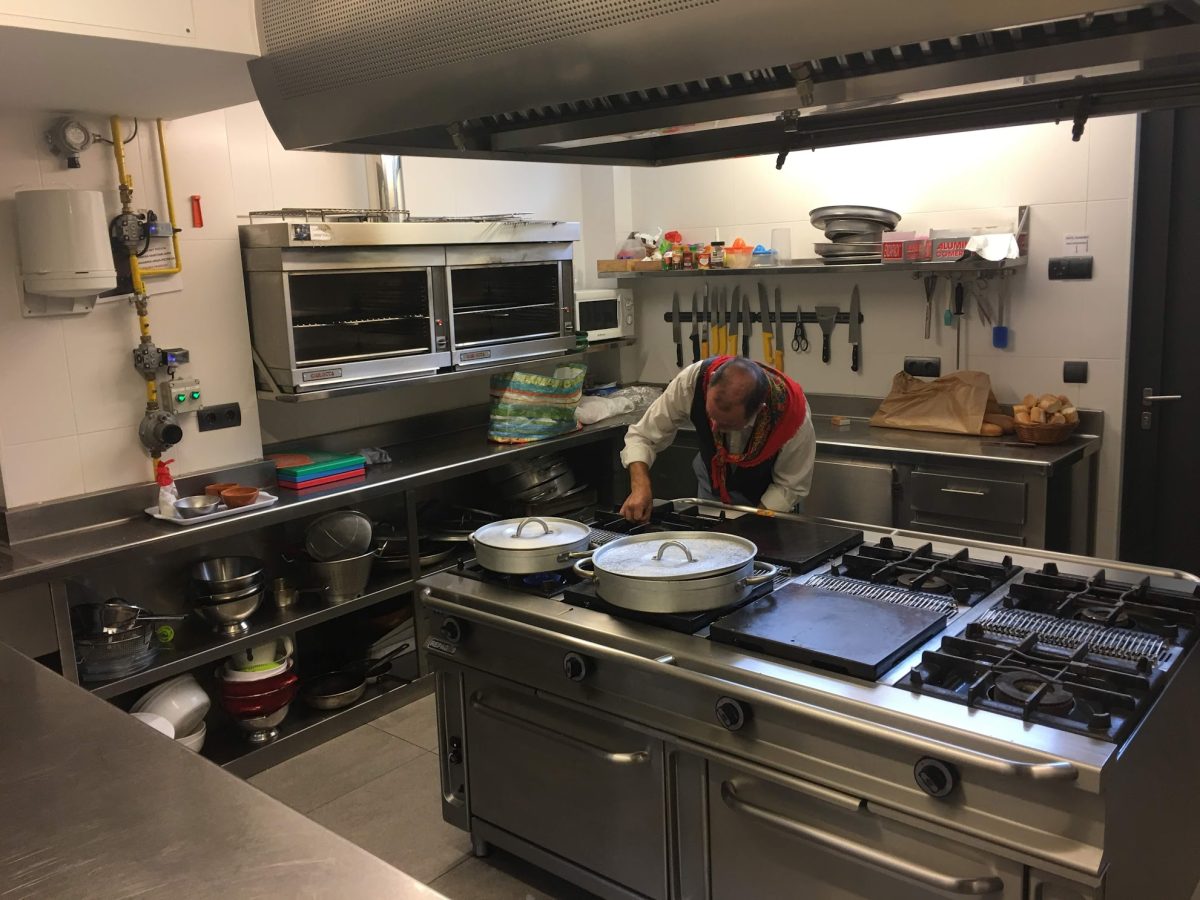
The gastronomic society is one of the most distinctly Basque inventions in the world. It is a place where a group of people pool their resources, maintain a shared kitchen, and gather regularly to cook together, eat together, and talk without the noise of the outside world intruding. It is member-only, but it is not exclusive in the way that word sounds in English. It is intimate. Trust is the price of admission, not prestige.
Elkarte gastronomikoa munduko euskalduntasun berezienetako asmazioetako bat da. Pertsona talde batek baliabideak bateratzen ditueneko lekua da, sukalde partekatu bat mantentzen dute, eta aldizka biltzen dira elkarrekin sukaldatzeko, elkarrekin jateko, eta kanpoko munduaren zaratak sartu gabe hitz egiteko. Bazkide soilarentzat da, baina ez ingelesezko hitz horrek entzuten den bezain exklusibo. Intimoa da. Konfiantza da sarreraren prezioa, ez ospearen.
This is the shape of what Jesus built. Not a cathedral. A txoko. A shared table. A community of people who have decided to walk the same road together and who take the sharing of food seriously enough to do it deliberately, regularly, with their whole attention.
Hau da Jesusek eraiki zuenaren forma. Ez katedrale bat. Txoko bat. Mahai partekatua. Bide bera elkarrekin egitea erabaki duen eta janaria partekatzea nahikoa serio hartzen duen — nahita, aldizka, arreta osoz — pertsona komunitate bat.
The old farmhouses in the Basque countryside had a particular architecture. The front door opened into a shared space — part working floor, part gathering place. The fire was central. Everything oriented toward it. In the harshest winters, the animals were sometimes brought inside. The line between wild and domestic was not as firm as we might prefer. Life was messy and warm and collective.
Euskal baserrietan arkitektura berezia zegoen. Sarrerako atek espazio partekatua irekitzen zuen — lan-lur zati bat, bilgune zati bat. Sua erdian zegoen. Dena haren arabera zuzentzen zen. Negu gogorreneetan, animaliak batzuetan barrura ekartzen ziren. Basati eta etxekoturen arteko marra ez zen nahi genuen bezain sendo. Bizitza nahasia eta beroa eta kolektiboa zen.
We are not trying to recreate the past. But we are pointing toward something that the past understood and that the present is quietly starving for: a fire in the center, a door that opens, a space where the distinction between inside and outside is not enforced by shame but dissolved by welcome.
Ez gara iragana berreraiki nahi. Baina iraganak ulertu zuena eta orainaldiak isilik goseak jaten duena seinalatzen ari gara: erdian su bat, irekitzen den ate bat, barneko eta kanpoko arteko bereizketa lotsak ez, onarpenak desegiten duen espazio bat.
Etxea is not something you build by yourself. You cannot construct belonging alone in a room. It is given. It is received. It is the thing that happens when people stop performing for each other and start actually feeding each other — with food, with honesty, with presence.
Etxea ez da zuk bakarrik eraikitzen duzun zerbait. Ezin duzu pertenentzia bakarrik gela batean eraiki. Emana da. Jasoa da. Jendeak elkar errepresentatzeari uzten dionean eta benetan elkar elikatzen hasten denean gertatzen dena da — janariarekin, zintzotasunarekin, presentziarekin.
The path we have been walking through this series — through weariness, through the Name, through the road itself — ends here. Not at a doctrinal statement. Not at a membership form. At a table. At a fire. At a door that is, right now, standing open.
Serie honetan zehar ibili dugun bidea — nekealdiaren bidez, Izenaren bidez, bidearen beraren bidez — hemen amaitzen da. Ez aldarrikapen doktrinal batean. Ez bazkidetza inprimaki batean. Mahai batean. Su batean. Orain bertan irekita dagoen ate batean.
The house was always there. It was built before you were looking for it. There is a room with your name on it.
Etxea beti egon da bertan. Bilatzen hasi baino lehen eraikia zen. Zure izena duen gela bat dago.